

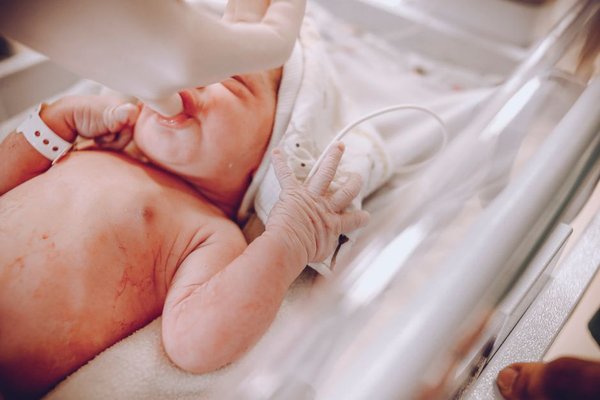
A difficult birth raises urgent questions about care and whether the harm could have been avoided. A birth injury claim in the UK may be possible when maternity care falls below an acceptable professional standard and that failure causes injury to the mother, the baby, or both. Compensation is intended to fund treatment, care, equipment, suitable housing and other support made necessary by the injury.
Not every poor outcome is caused by maternity negligence. Complications can arise despite appropriate care, and conditions such as cerebral palsy may develop before, during or shortly after birth for several reasons. A successful claim needs evidence of both substandard care and a causal link between that care and the injury.
When can a birth injury claim be made?
Birth negligence compensation may be considered where a midwife, obstetrician, anaesthetist, neonatal team or other professional failed to provide reasonable care. Examples include failing to recognise fetal distress, delaying an emergency caesarean section, mismanaging an assisted delivery, overlooking maternal infection, failing to treat severe bleeding, or missing dangerous newborn conditions such as infection, jaundice or very low blood sugar.
The legal test is more demanding than showing that something went wrong. Independent medical experts usually assess whether the care breached the standard expected at the time and whether appropriate treatment would probably have avoided or reduced the injury.
Claims for the mother and baby are separate
One incident can produce different injuries and separate claims. The mother may have an obstetric claim for an untreated postpartum haemorrhage, severe perineal trauma, bladder or bowel damage, infection, an anaesthetic injury, avoidable hysterectomy, or a recognised psychiatric injury. Her compensation is assessed according to her own pain, recovery, financial losses and future needs.
The baby’s claim focuses on the child’s injuries and lifelong consequences. This may include hypoxic brain injury, cerebral palsy, brachial plexus damage, fractures, hearing or visual impairment, or developmental disability. A cerebral palsy claim does not succeed simply because the diagnosis followed a difficult delivery. Expert evidence must distinguish avoidable harm from causes unrelated to negligent care.
A practical example
Suppose monitoring during labour repeatedly indicates that a baby may not be receiving enough oxygen, but escalation and delivery are delayed. The baby later has a brain injury requiring lifelong support, while the mother suffers serious complications during the emergency delivery. Experts would review the monitoring traces, notes, staffing decisions and timing of treatment. If avoidable delay caused both injuries, separate claims could be pursued for the child and mother, even though they arose from the same birth.
What compensation can cover
Compensation is based on proven losses rather than a fixed tariff. For a mother, it may include pain and suffering, lost earnings, treatment, additional childcare, travel, rehabilitation and future care. For a child with significant disability, the largest part of an award may relate to lifelong needs.
A child’s settlement may account for professional carers, therapies, specialist equipment, mobility aids, adapted accommodation, case management, educational support, transport, assistive technology and reduced future earning capacity. Serious cases may involve a lump sum for immediate needs together with periodical payments for future care, subject to court approval.
Where responsibility is admitted before the final value is known, an interim payment may sometimes fund urgent rehabilitation, equipment or accommodation. Early rehabilitation can therefore be as important as the final settlement.
How the claims process usually works
A clinical negligence solicitor will usually take a detailed account, identify the likely defendant and obtain maternity, neonatal, GP and follow-up records. Families can help by keeping appointment letters, care plans, receipts and a dated note of symptoms, conversations and practical difficulties.
Relevant experts may include an obstetrician, midwife, neonatologist, paediatric neurologist, neuroradiologist, psychiatrist or care expert. If the evidence supports a claim, a formal letter sets out the alleged breach, causation and losses. The healthcare provider investigates and responds. Negotiation, mediation or another form of dispute resolution may settle the case; court proceedings are sometimes necessary, although many claims conclude without a full trial.
An NHS complaint can seek explanations and identify service failures, but it is not the same as a compensation claim and does not stop the legal time limit. Families considering both routes may find our NHS complaints process guide useful. Our medical negligence evidence guide also explains why records and independent opinions matter.
Time limits and claims for children
Time limits and court procedures vary across England and Wales, Scotland and Northern Ireland, so jurisdiction-specific advice is essential. In England and Wales, an adult clinical negligence claim is generally subject to a three-year period running from the injury or the later date when the claimant first had relevant knowledge. Different rules may apply where a person lacks mental capacity.
For an injured child, the usual three-year period does not begin until the eighteenth birthday, meaning proceedings can generally be started up to age 21. A parent or another suitable adult can bring the claim earlier as the child’s litigation friend. Any settlement for a child requires court approval, and the court controls how the money is protected or managed. Waiting is rarely helpful because evidence and opportunities for early support can become harder to secure. Our medical negligence claim time limits guide provides more detail.
Paying for specialist legal advice
Many firms investigate suitable cases under a conditional fee agreement, often called no win, no fee, although clients should receive a clear explanation of deductions, insurance and possible costs. In England and Wales, legal aid is limited but may be available in certain cases involving a child who suffered a neurological injury during pregnancy, birth or the first eight weeks of life. Eligibility depends on the merits and financial rules.
Frequently asked questions
How do I know whether the injury was caused by negligence?
A diagnosis or unexpected outcome is not enough by itself. Specialist solicitors obtain records and independent expert opinions to assess whether the care was unreasonable and whether that failure probably caused or worsened the injury.
Can both parents claim compensation?
The mother may claim for her own physical or psychiatric injury, while the baby has a separate claim. A parent does not automatically receive compensation for distress or caring responsibilities, although reasonable past care and expenses may form part of the child’s claim.
Can I claim after making an NHS complaint?
Yes. A complaint and a legal claim have different purposes. However, the complaint process does not pause the limitation period, so legal advice should not be delayed while waiting for a response.
How long does a serious birth injury claim take?
There is no standard duration. Complex cases may take several years because experts must establish responsibility and assess long-term needs. Interim payments and rehabilitation planning may reduce the impact of that delay when liability is admitted.
Moving forward with clarity
A birth injury claim can provide answers, accountability and practical security, but it begins with careful evidence rather than assumptions. Early specialist advice helps protect time limits, preserve records and separate an unavoidable complication from negligent maternity care. A properly valued claim should look beyond the immediate diagnosis and plan for the support the mother or child may require for years to come.