

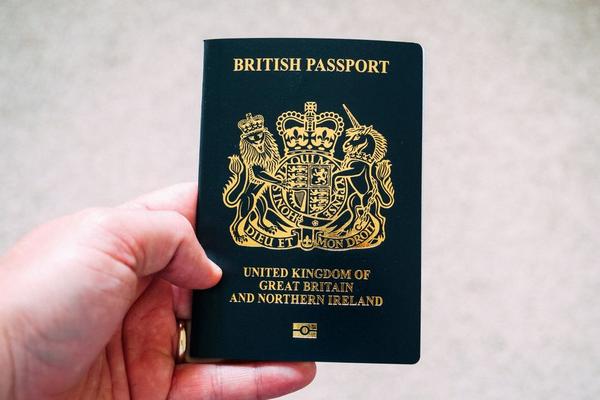
British citizenship by naturalisation is the route for adults who have already built a settled life in the UK. It commonly follows indefinite leave to remain (ILR), indefinite leave to enter, or settled status, but citizenship is a separate application with its own residence, absence, language, knowledge and good character requirements.
An applicant who otherwise appears eligible can create a problem by applying on a date that does not fit the residence rules. Checking your settlement date and travel history before submitting a citizenship application UK form can prevent avoidable problems.
Who can apply through the standard route?
Under the usual section 6(1) route, you must normally be 18 or over, have lived in the UK for five years, meet residence requirements, be free from immigration time restrictions, satisfy the knowledge of language and life requirements, be of good character, and intend to make the UK your main home.
Most applicants rely on ILR, settled status under the EU Settlement Scheme, or indefinite leave to enter. For the standard route, you normally need to have been free from immigration time restrictions for at least 12 months before applying. Different rules apply if you are married to or in a civil partnership with a British citizen.
The five-year residence requirement
You must normally have lived in the UK for the five years immediately before the Home Office receives your application and should not have breached UK immigration laws during that period. Naturalisation UK guidance also requires you to have been physically present in the UK at the beginning of the qualifying period.
Check the exact date before you submit
For an online application, look back exactly five years from the date you plan to submit. For example, if you intend to apply on 10 October 2026, check where you were on 10 October 2021. If you were abroad then and returned on 14 October 2021, delaying the application until the corresponding date after your return may avoid a residence problem. The Home Office has discretion in limited circumstances, but it is safer to choose a date that clearly satisfies the rule.
How many days can you spend outside the UK?
On the standard five-year route, you should normally have spent no more than 450 days outside the UK during the five-year qualifying period and no more than 90 days outside the UK during the final 12 months. Only whole days of absence are normally counted, so the day you leave and the day you return are not counted as days absent.
The Home Office can disregard some excess absences depending on their extent, your ties to the UK and the reasons for travel, but discretion is not automatic. Before applying, build a travel log from passports, tickets, emails and calendar records, then compare your total with the published limits.
English language and the Life in the UK Test
Applicants generally need to show sufficient knowledge of English, Welsh or Scottish Gaelic and pass the Life in the UK Test unless an exemption applies. For English, one common route is an approved speaking and listening qualification at CEFR level B1 or above. Some applicants can instead qualify through nationality from a recognised majority English-speaking country or through an eligible degree taught in English.
If a B1 qualification was already accepted for an earlier ILR application, Home Office guidance allows it to satisfy the English requirement for naturalisation even if it has since expired. The Life in the UK requirement remains separate.
What does the good character requirement cover?
The good character requirement is broader than having no criminal convictions. Caseworkers can consider criminality, immigration breaches, deception or dishonesty, tax and other financial issues, and other conduct relevant to the application. A criminal record does not automatically cause refusal in every case, but serious or recent offending can be a major obstacle.
Full disclosure matters. Knowingly hiding relevant information or providing false details can itself damage an application. If your history includes convictions, unresolved prosecutions, overstaying, unlawful working, significant tax problems or previous deception, regulated immigration or nationality advice may be sensible before applying.
Documents and referees to prepare
Applicants commonly need identity evidence, passports covering the qualifying period, proof of settled status or indefinite leave, and any required language and Life in the UK evidence. If passports do not fully show your presence in the UK, employer letters, payslips, P60s or educational documents may help.
You will also need two referees who satisfy the Home Office criteria and can help confirm your identity. Check the current referee rules before submission and make sure names, dates and other personal details are consistent across the form and supporting documents.
What happens after you apply?
Most applicants in the UK use the online Form AN process. After submission and payment, you will receive instructions about biometrics, although the Home Office may sometimes reuse biometrics already held from a previous immigration application.
A citizenship application does not extend or create immigration permission while it is pending, so you must continue to hold valid permission to stay in the UK until a decision is made and, if approved, until you complete the citizenship ceremony.
GOV.UK says naturalisation applications are usually decided within six months, although some take longer. Since July 2026, eligible applicants applying from within the UK may also be able to use a paid citizenship priority service, which usually aims for a decision within 30 working days but can take longer if additional checks are required.
If approved, an adult normally attends a citizenship ceremony, makes the required oath or affirmation and pledge, and receives a naturalisation certificate. After that, many people apply for a British passport.
FAQ
Do I need ILR before applying for British citizenship by naturalisation?
For the standard route, you normally need to be free from immigration time restrictions, commonly through ILR, settled status or indefinite leave to enter, and usually to have held that position for at least 12 months.
Can I apply with more than 450 days of absences?
Possibly. The Home Office has discretion to overlook some excess absences, but the outcome depends on the number of days, your UK residence and connections, and the reasons for travel.
Do I need another English test if I used B1 for ILR?
Not necessarily. A B1 qualification successfully relied on for an ILR application can continue to meet the English requirement for naturalisation.
How long does British naturalisation take?
The standard published timeframe is usually within six months, though some cases take longer. A paid priority service may be available to eligible applicants.
Related internal reading can naturally cover indefinite leave to remain, the Life in the UK Test, and applying for a British passport after naturalisation.
Final checks before applying
British citizenship by naturalisation is best approached as a date-and-evidence exercise. Confirm your settlement date, check that you were physically in the UK exactly five years before applying, total your absences, verify your language and Life in the UK evidence, and review anything that could affect the good character requirement.
Naturalisation is discretionary rather than automatic. A carefully timed, complete and candid application gives the Home Office the clearest evidence that you meet the British citizenship requirements.