

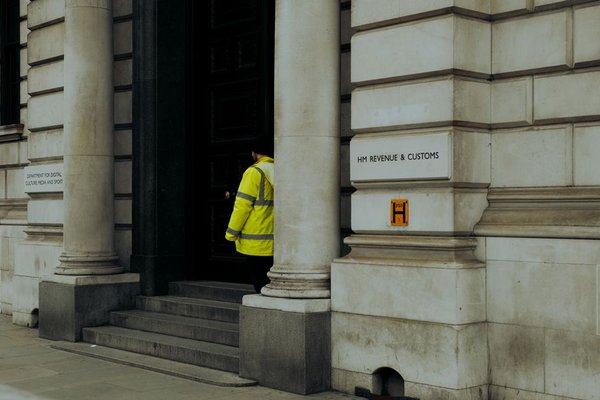
Most discrimination law is discussed after something has gone wrong: a worker is treated unfairly, or someone cannot access a service. The Public Sector Equality Duty works earlier. It requires public decision-makers to consider equality before choices about budgets, services and policies are finalised. That makes it a central part of how public bodies in Great Britain should operate, not merely a response to individual complaints.
What does the Public Sector Equality Duty require?
The Public Sector Equality Duty (PSED) comes from section 149 of the Equality Act 2010 and took effect in April 2011. It applies across England, Scotland and Wales, but not Northern Ireland, which has a separate equality framework.
The duty requires authorities to have “due regard” to three equality aims when exercising their functions. It does not force every decision to produce a particular result. Instead, officials must properly understand and weigh relevant equality consequences while they still have a meaningful choice.
The three aims under section 149
Eliminate unlawful conduct
Public bodies must consider the need to eliminate discrimination, harassment, victimisation and other conduct prohibited by the Equality Act. This includes thinking about whether a policy creates barriers or risks unlawful treatment, rather than waiting for someone to complain.
Advance equality of opportunity
Authorities must consider disadvantages experienced by people with protected characteristics, their different needs and barriers to participation. Equal treatment is not always identical treatment. For example, accessible appointment systems may be needed so disabled residents can use a service effectively.
Foster good relations
The third aim concerns tackling prejudice and promoting understanding between groups. It can matter when designing public consultations, community programmes or services used by communities with different experiences and needs.
The relevant characteristics are age, disability, gender reassignment, pregnancy and maternity, race, religion or belief, sex and sexual orientation. Marriage and civil partnership is considered only under the first aim, where relevant unlawful conduct is concerned.
Which organisations must comply?
Schedule 19 of the Equality Act identifies many covered public authorities, including councils, government departments, police bodies, schools and health organisations. For listed authorities, the general duty usually applies across their functions, including employment decisions and public services, subject to statutory exceptions.
A private company or charity can also fall within section 149 when exercising functions of a public nature. That does not mean every supplier automatically becomes a public authority. The nature of the function matters, and a council cannot simply pass responsibility for its own equality decisions to a contractor.
What does “due regard” look like in practice?
Due regard is active, informed consideration, not a box ticked after approval. Decision-makers should identify which groups might be affected, examine available evidence, recognise information gaps and consider reasonable alternatives or mitigations. The depth of work should reflect the likely equality impact: closing a major service needs more analysis than an ordinary low-impact purchase.
Written equality impact assessments can help, but the general duty does not prescribe one universal form. What matters is the quality and timing of the consideration. Records of evidence, consultation and decisions can be valuable if compliance is questioned. Equality implications should also be reviewed when a policy is operating, especially if unexpected effects emerge.
Example: changing library opening hours
Imagine a council proposing to close a library two afternoons each week. Attendance totals alone may suggest little disruption. A closer review could reveal that older residents rely on those sessions for assisted digital services, while disabled users depend on a particular accessible bus connection.
Before deciding, the council could compare attendance by session, speak with affected users and assess alternative opening patterns. It might retain one afternoon, move support appointments or improve access at another branch. The PSED does not automatically forbid reduced hours. It requires the council to understand the unequal effects and give them proper consideration alongside financial pressures.
General duty versus specific public body equality duties
The section 149 general duty is shared across Great Britain. Separate specific duties support transparency and practical compliance, but their rules vary by jurisdiction and by which authority is listed.
England
Under the applicable English specific duties, listed bodies generally publish information demonstrating compliance at least annually and publish measurable equality objectives at least every four years. Employee-related publication requirements depend partly on workforce size. These reporting requirements do not replace due regard in individual decisions.
Scotland
Scottish specific duties include equality outcomes, mainstreaming reports, equality impact assessment requirements, employee information and certain pay-related reporting. Listed authorities must consider the detailed Scottish regulations rather than assume England’s publication rules apply.
Wales
Welsh specific duties place emphasis on equality objectives, engagement, assessment of policy impacts, relevant evidence and reporting. In Wales, assessing and monitoring proposed policies is expressly addressed in the specific duties. The appropriate national guidance is essential for any compliance checklist.
What happens if a public authority gets it wrong?
The Equality and Human Rights Commission can investigate and take enforcement steps concerning compliance. A decision may also be challenged through judicial review. Depending on the circumstances, a court can declare a breach or quash a decision, requiring it to be reconsidered lawfully.
A breach of the PSED is not the same thing as proving an individual discrimination claim. The former concerns the lawfulness of the public body’s decision-making process; the latter has separate legal tests and remedies. Readers considering personal discrimination rights may also find guidance on protected characteristics under the Equality Act, reasonable adjustments for disabled people and indirect discrimination useful.
Frequently asked questions
Does the duty require equal outcomes for everyone?
No. It requires proper consideration of the statutory equality aims. A lawful decision may still disadvantage a group, provided the decision-maker has complied with the duty and other relevant laws.
Must every public body publish an equality impact assessment?
No universal publication requirement arises from the general duty alone. Some specific duties, particularly in Scotland and Wales, impose assessment or publication obligations for covered authorities.
Does the PSED apply to private contractors?
It can apply while a contractor exercises a public function. Ordinary commercial work is not automatically covered, although contracting public authorities remain responsible for their own duties.
Can residents challenge a decision that ignores equality?
Potentially. They may raise concerns with the authority, seek advice and consider judicial review where appropriate. Court challenges have strict procedural requirements and time limits, so early legal advice matters.
Conclusion
The Public Sector Equality Duty changes the question from “Was someone discriminated against?” to “Were equality consequences properly considered before this decision was made?” That forward-looking requirement helps bring evidence, accessibility and fairness into everyday public administration. Its value depends on meaningful consideration, not simply producing paperwork.