

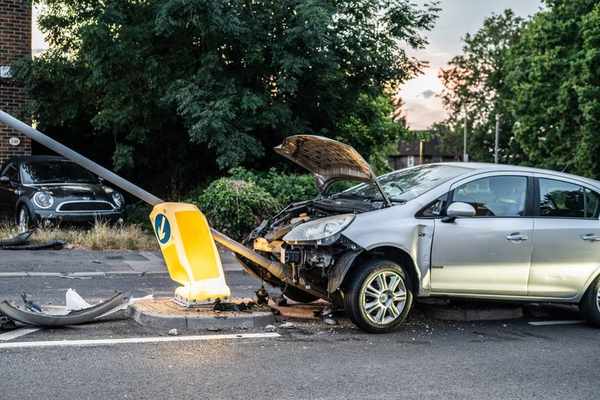
A road traffic accident can leave you dealing with far more than a damaged vehicle. You may be experiencing pain, missing work, attending medical appointments or paying unexpected travel and treatment costs. When another road user was responsible, making a road traffic accident claim UK residents can pursue may help them recover compensation for the physical, financial and emotional impact.
The claims process can seem complicated, especially when insurers begin asking questions about liability, medical evidence and losses. However, taking the right steps from the beginning can protect your position and make it easier to demonstrate what happened. This guide explains the RTA claim process, the evidence you may need and the practical issues to consider before accepting a settlement.
Can You Make a Road Traffic Accident Claim?
You may be able to claim compensation when another person’s negligence caused or contributed to a road accident in which you suffered an injury. Claims can arise from rear-end collisions, junction accidents, unsafe overtaking, speeding, distracted driving and failures to observe road signs or traffic signals.
You do not necessarily have to be the driver of a vehicle. Depending on the circumstances, passengers, pedestrians, cyclists, motorcyclists and other road users may also pursue compensation. Even when you believe you were partly responsible, it may still be possible to make a claim, although any compensation could be reduced to reflect your share of responsibility.
Different procedures apply across the UK. The Official Injury Claim service, for example, is designed for eligible low-value road traffic injury claims arising in England and Wales. People injured in Scotland or Northern Ireland should check the rules and court procedures applying in that jurisdiction.
What Compensation Can an RTA Claim Cover?
Car accident compensation is generally divided into compensation for your injury and compensation for the financial losses caused by the accident. The injury element reflects matters such as pain, discomfort, loss of movement, psychological effects and the effect of the injury on everyday life.
The financial element may include lost earnings, medical expenses, prescription charges, rehabilitation costs, travel to appointments, care provided by relatives and damage to personal property. Vehicle repair charges and replacement transport costs may also be relevant, depending on how the motor damage part of the case is being handled.
Receipts, wage records, invoices and bank statements can be important when claiming these losses. You should avoid estimating expenses where documentary proof is available. Keeping an ongoing record of your costs can prevent smaller but legitimate losses from being forgotten later.
The Road Traffic Accident Claim Process
Report the Accident
Exchange names, contact information, vehicle registrations and insurance details with the other driver where possible. The police should be contacted when someone is injured, the road is obstructed, the other driver leaves without providing details or there are concerns about dangerous driving, alcohol or drugs.
You should also notify your own motor insurer, even when you were not responsible and do not intend to claim for vehicle damage through your policy. Most policies require accidents to be reported within a specified period.
Collect Evidence at the Scene
Photographs and videos can provide valuable evidence of vehicle positions, road markings, traffic signs, weather conditions, visibility and damage. Record the exact location and approximate time of the collision. Where witnesses saw what happened, ask for their contact details rather than relying on them remaining at the scene.
Dashcam footage should be downloaded and stored safely before it is automatically overwritten. Nearby businesses, homes or buses may also have CCTV footage, but it can be deleted quickly, so requests should be made without unnecessary delay.
Obtain Medical Attention
Seek medical assistance when you are injured or develop symptoms after leaving the scene. Some soft-tissue symptoms become more noticeable several hours or days after an impact. Medical records can document your symptoms, treatment and recovery while also ensuring you receive appropriate care.
Do not exaggerate your condition, but do not minimise it either. Explain how the injury affects sleep, driving, employment, household tasks, exercise and other normal activities. Continue attending recommended appointments and follow reasonable treatment advice.
Notify the Responsible Insurer
A claim may be submitted directly to the other driver’s insurer, through the Official Injury Claim portal when eligible, or with the assistance of a personal injury solicitor. The insurer will investigate liability before deciding whether to accept responsibility.
For eligible adults injured inside a vehicle in England or Wales, the Official Injury Claim service can handle road traffic personal injury claims valued at no more than £5,000, with total accident-related losses generally limited to £10,000. Pedestrians, cyclists and motorcyclists are not covered by that service.
Attend an Independent Medical Assessment
A medical report is usually required before the injury element of the claim can be valued. The expert will consider your medical history, current symptoms, treatment and likely recovery period. For an eligible whiplash claim UK rules prohibit settlement without medical evidence.
Whiplash injuries lasting up to two years are valued using a statutory tariff in England and Wales. Updated tariff amounts apply to accidents occurring on or after 31 May 2025, while separate amounts apply to earlier eligible accidents.
Review and Negotiate the Settlement
Once medical evidence and financial losses have been collected, the insurer may make an offer. You should check whether it covers all injuries, expenses and future consequences. Be cautious about accepting an early offer before the likely recovery period is clear, as settlement normally brings the claim to an end.
More serious injuries may require specialist medical reports, rehabilitation planning or calculations of future earnings and care needs. In those circumstances, professional legal advice can be particularly important.
What Evidence Strengthens a Car Accident Claim?
A successful claim usually depends on proving both responsibility and loss. Useful evidence may include photographs, dashcam recordings, witness details, police reference numbers, medical records, vehicle inspection reports and communications with insurers.
You should also keep wage slips, employer confirmation of absence, treatment invoices, travel receipts and a written diary of symptoms. A diary can show how your condition changed over time and how it affected work, family responsibilities and daily activities.
How Long Do You Have to Claim?
In England and Wales, the usual limitation period for a personal injury claim is three years from the accident or, in some cases, from the later date on which the injured person acquired relevant knowledge. Different rules may apply to children, people lacking mental capacity and claims involving a death.
The deadline generally relates to starting court proceedings, not simply contacting an insurer or solicitor. Waiting until the final weeks can make it difficult to obtain evidence and complete the necessary investigations, so beginning the RTA claim process early is usually sensible.
What Happens If the Driver Was Uninsured or Left the Scene?
A claim may still be possible when the responsible driver had no insurance or cannot be identified after a hit-and-run accident. The Motor Insurers’ Bureau handles eligible claims involving uninsured, untraced and certain foreign-registered drivers.
Applicants may be asked for accident information, medical evidence, witness details and proof that the incident was reported appropriately. The MIB can consider claims from drivers, passengers, pedestrians and other road users, although eligibility depends on the circumstances and the applicable agreement.
Frequently Asked Questions
How much compensation will I receive?
The value depends on the nature and duration of your injuries, the medical evidence, your financial losses and whether responsibility is disputed. Whiplash tariff claims are calculated differently from serious or non-whiplash injuries.
Can I claim if I was a passenger?
Yes. An injured passenger may be able to claim against the insurer of the driver responsible, including the driver of the vehicle in which the passenger was travelling.
Can I claim when the accident was partly my fault?
Potentially. Compensation may be reduced by an agreed percentage to reflect contributory negligence, but partial responsibility does not automatically prevent a claim.
Do I need a solicitor?
Not every claimant is required to use a solicitor. Eligible low-value claims in England and Wales can be submitted through the Official Injury Claim service. Legal advice may be valuable when injuries are serious, liability is disputed, several vehicles were involved or future losses are likely.
Taking the Next Step After a Road Accident
A road traffic accident claim UK process becomes easier to manage when evidence is preserved and medical treatment is documented from the outset. Report the incident, retain photographs and receipts, record your symptoms and avoid accepting a settlement before understanding the full effect of your injuries.
Every accident is different. The correct route may involve an insurer, the Official Injury Claim portal, the Motor Insurers’ Bureau or formal legal representation. Acting promptly gives you more time to establish responsibility, calculate your losses and pursue fair compensation without being placed under unnecessary pressure by the limitation deadline.